Research
Digging Diaries from Deir el-Medina 2026 – Week Two
يوميات التنقيب الأثري في موقع دير المدينة لعام 2026 – الأسبوع الثاني.
info@museitorino.it
011 44 06 903
Dal lunedì al sabato dalle ore 9:00 alle 18:00
Preserving Memory: The Restoration of TT214
These have been intense weeks here at Deir el-Medina: there is a lot of work to do, and time seems to fly by. It feels like we just set off, and yet we are already in the second week of the mission!
The view of the village continues to amaze us every morning, especially as the sun begins to light up the entire landscape. We arrive wearing jackets and scarves, but within a few hours, the heat starts to make itself felt, bringing a surprisingly pleasant sensation.
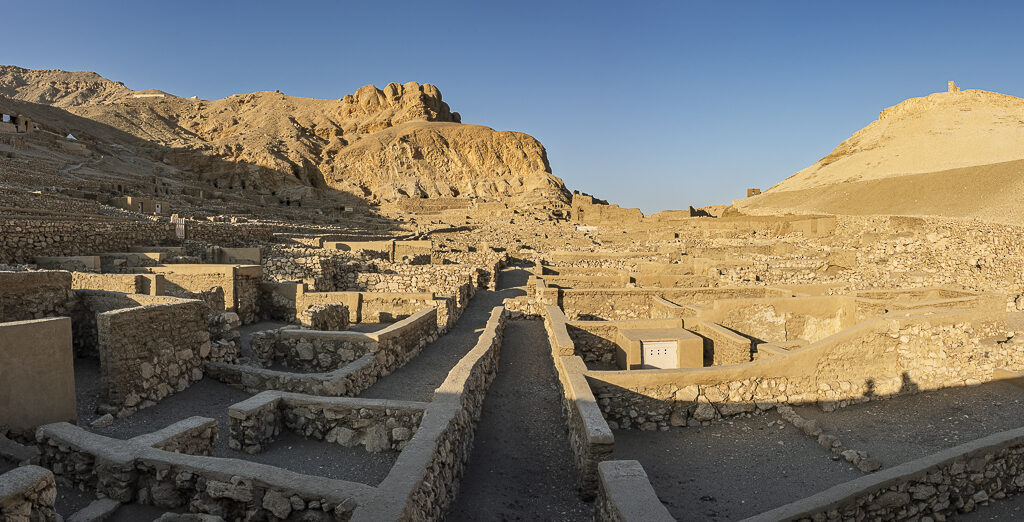
Figure 1: The village of Deir el-Medina. Photo: Nicola Dell’Aquila
Our work continues in the tomb of Khaui, known as TT214, specifically in the decorated burial chamber. The walls are covered with murals that have been severely compromised over a long and complex history. Working here is a team of Egyptologists and museum conservators, supported by specialists from the CCR La Venaria Reale / CCR. Coordinating the activities is Michela Cardinali, director of the CCR laboratories, together with restorers Marie-Claire Canepa and Roberta Coco.
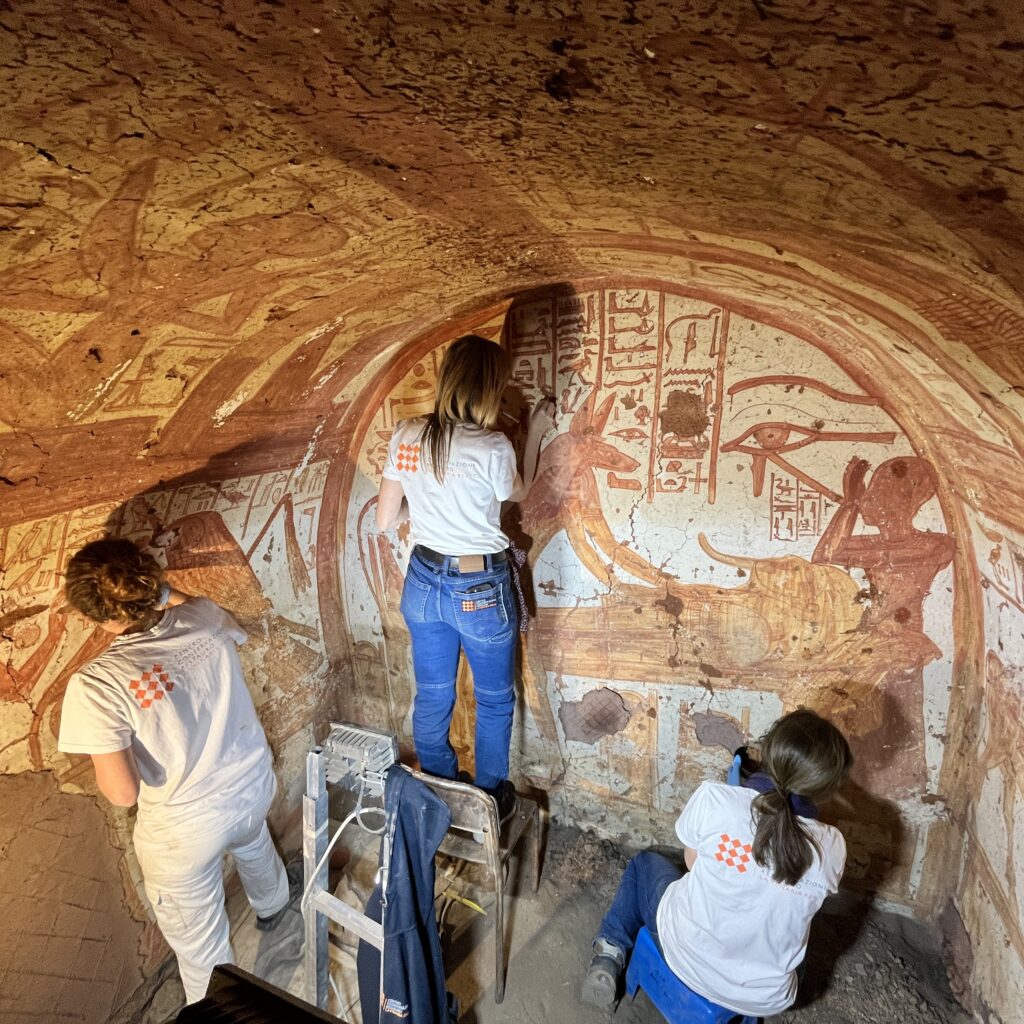
Figure 2: The restorers at work. Photo: Cédric Gobeil
Entering the burial chamber, the walls immediately reveal the challenges they have faced over time. In antiquity, the tomb was violated by looters who, trying to reach adjacent rooms, made holes in the walls. These intrusions weakened the masonry and caused serious stability problems in the layers of plaster that support the paintings.
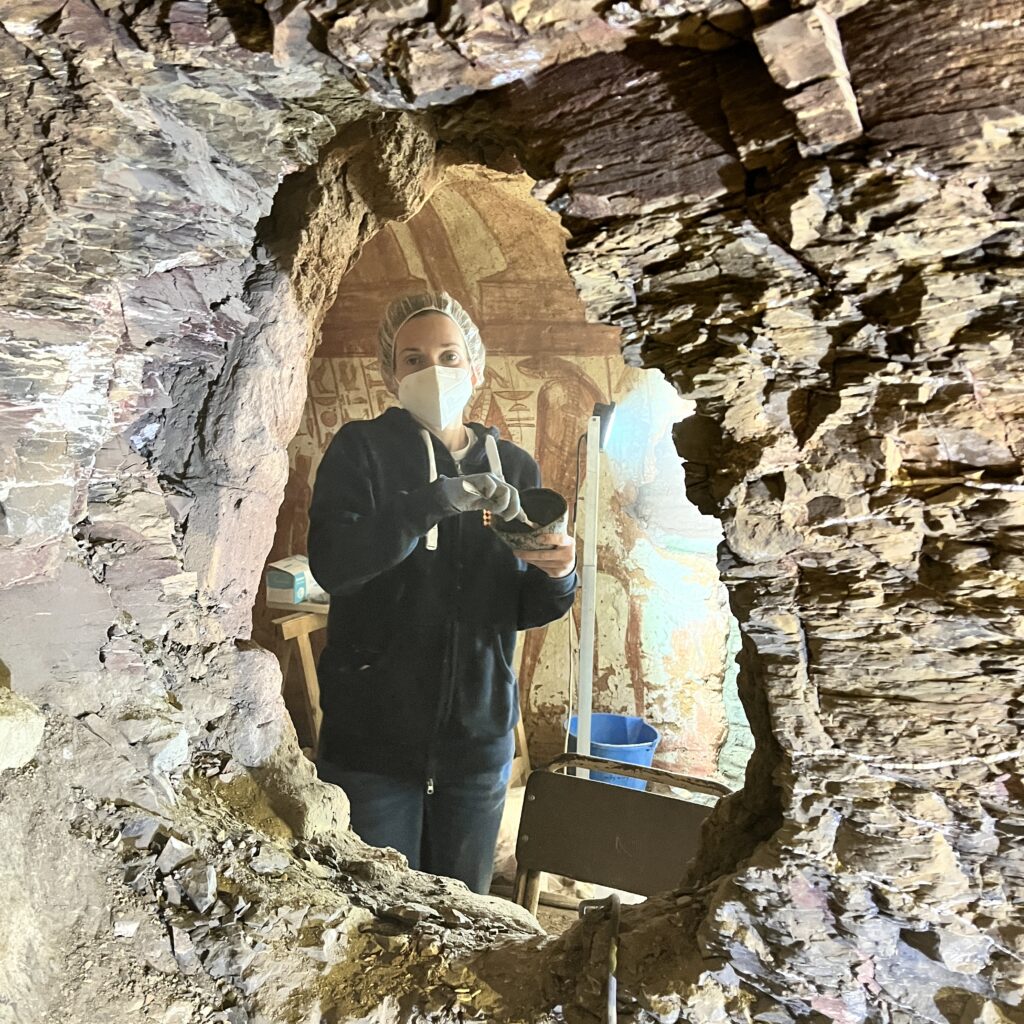
Figure 3: One of the holes made by the looters. Photo: Cédric Gobeil
On top of this, a fire broke out in the rooms adjacent to the tomb. The intense heat altered some pigments, changing the original appearance of the decorations. Yellows exposed to high temperatures turned red, while details originally painted in black now appear much lighter. This chromatic change deeply affects how the scenes can be read.
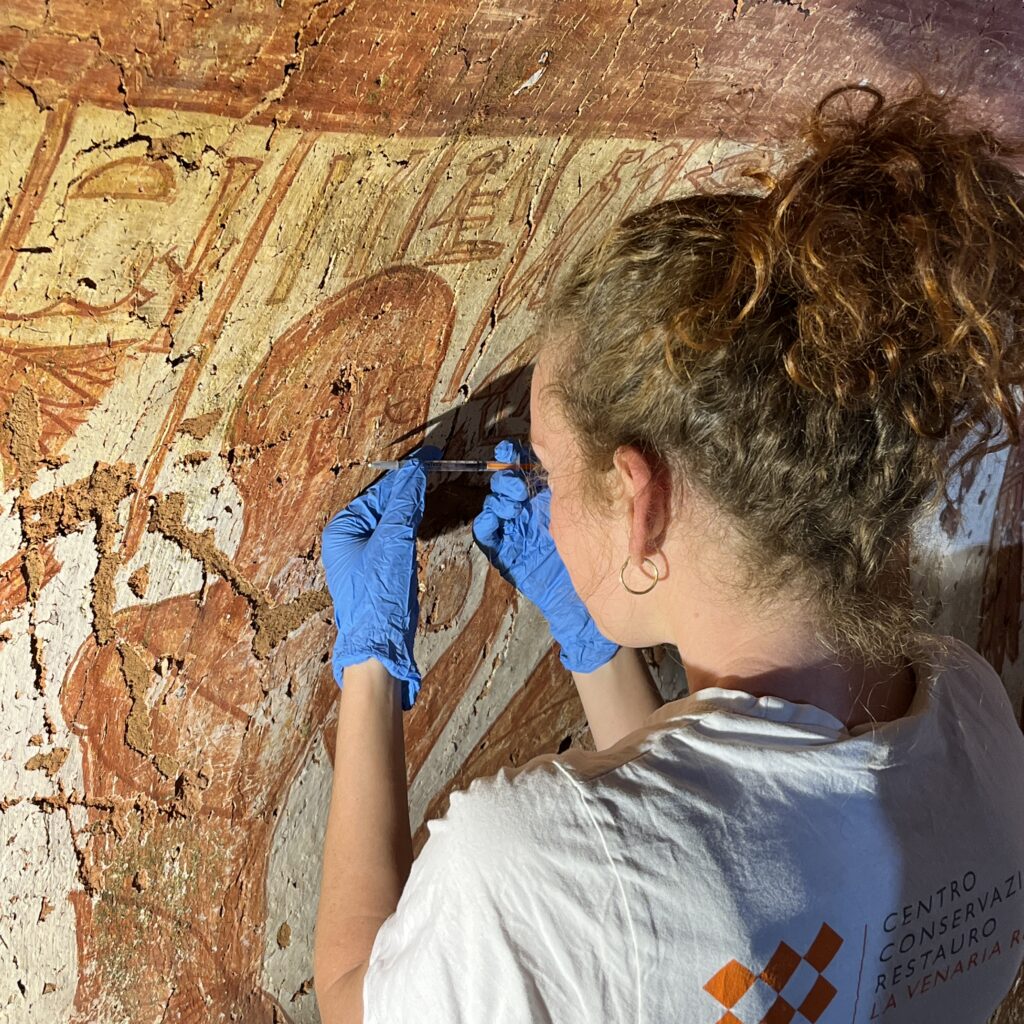
Figure 4: Consolidation of the painted surface. Photo: Cédric Gobeil
Restoration work began in 2024 with an initial phase of study, documentation, and stabilization, essential for understanding the materials and preventing further losses. These activities allowed us to deepen our knowledge of the execution techniques, the state of preservation of the paintings, and to reconstruct the main historical and conservation events. This year, work is focused on consolidating the plaster and filling losses, which will be followed by the start of the pictorial reintegration, improving the interpretation of the painted scenes.
Every action is measured, slow, and carefully controlled. At Deir el-Medina, day by day, the colors and images of the past gradually begin to tell their story again.
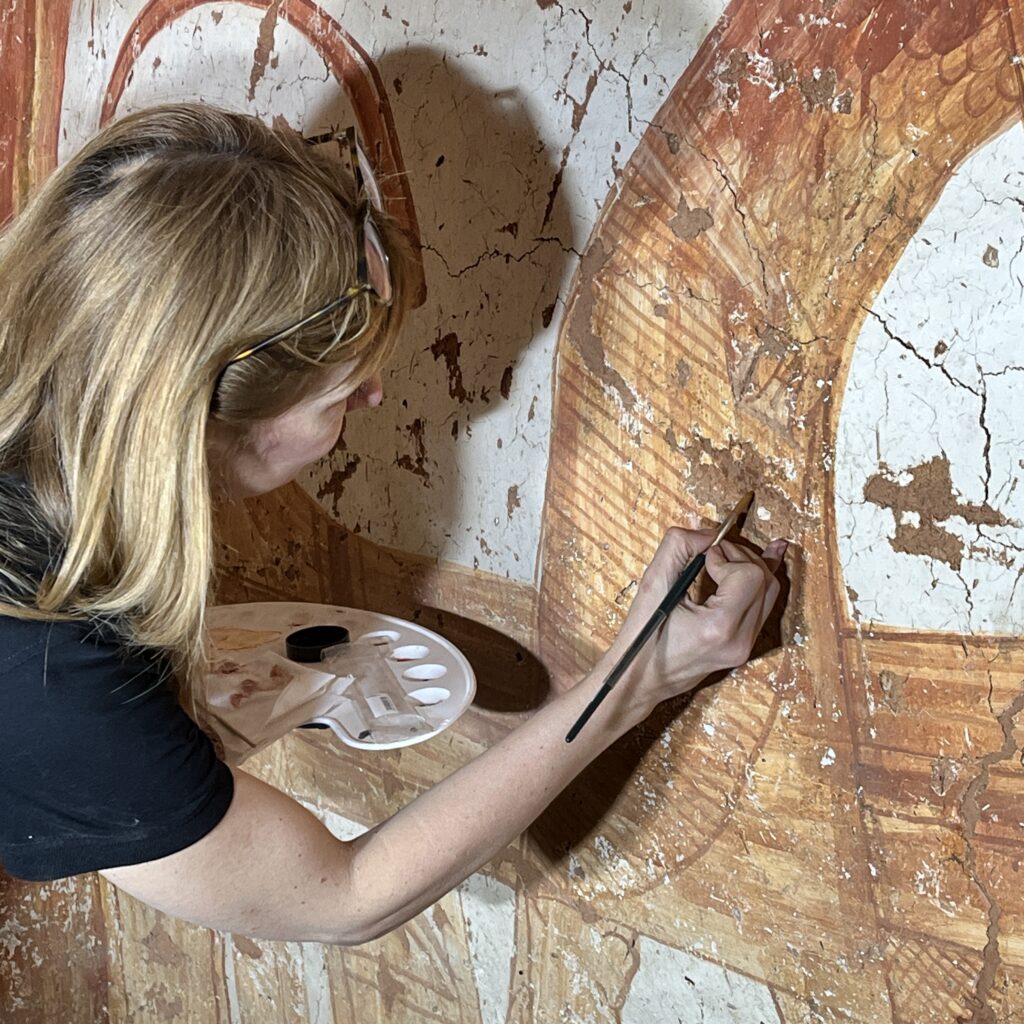
Figure 5: Filling in the lacunae. Photo: Cédric Gobeil
Curious to know more? Join us next Friday as we continue the story of our mission. If you wish, you can accompany us on this journey: support the archaeological missions of the Museo Egizio and help bring new stories to light. Donate now: https://dona.museoegizio.it/en/
These have been intense weeks here at Deir el-Medina: there is a lot of work to do, and time seems to fly by. It feels like we just set off, and yet we are already in the second week of the mission!
The view of the village continues to amaze us every morning, especially as the sun begins to light up the entire landscape. We arrive wearing jackets and scarves, but within a few hours, the heat starts to make itself felt, bringing a surprisingly pleasant sensation.
Figure 1: The village of Deir el-Medina. Photo: Nicola Dell’Aquila
Our work continues in the tomb of Khaui, known as TT214, specifically in the decorated burial chamber. The walls are covered with murals that have been severely compromised over a long and complex history. Working here is a team of Egyptologists and museum conservators, supported by specialists from the CCR La Venaria Reale / CCR. Coordinating the activities is Michela Cardinali, director of the CCR laboratories, together with restorers Marie-Claire Canepa and Roberta Coco.
Figure 2: The restorers at work. Photo: Cédric Gobeil
Entering the burial chamber, the walls immediately reveal the challenges they have faced over time. In antiquity, the tomb was violated by looters who, trying to reach adjacent rooms, made holes in the walls. These intrusions weakened the masonry and caused serious stability problems in the layers of plaster that support the paintings.
Figure 3: One of the holes made by the looters. Photo: Cédric Gobeil
On top of this, a fire broke out in the rooms adjacent to the tomb. The intense heat altered some pigments, changing the original appearance of the decorations. Yellows exposed to high temperatures turned red, while details originally painted in black now appear much lighter. This chromatic change deeply affects how the scenes can be read.
Figure 4: Consolidation of the painted surface. Photo: Cédric Gobeil
Restoration work began in 2024 with an initial phase of study, documentation, and stabilization, essential for understanding the materials and preventing further losses. These activities allowed us to deepen our knowledge of the execution techniques, the state of preservation of the paintings, and to reconstruct the main historical and conservation events. This year, work is focused on consolidating the plaster and filling losses, which will be followed by the start of the pictorial reintegration, improving the interpretation of the painted scenes.
Every action is measured, slow, and carefully controlled. At Deir el-Medina, day by day, the colors and images of the past gradually begin to tell their story again.
Figure 5: Filling in the lacunae. Photo: Cédric Gobeil
Curious to know more? Join us next Friday as we continue the story of our mission. If you wish, you can accompany us on this journey: support the archaeological missions of the Museo Egizio and help bring new stories to light. Donate now: https://dona.museoegizio.it/en/
الحفاظ على الذاكرة: ترميم TT214
نحن نعيش أسابيع مليئة بالنشاط في دير المدينة: العمل متواصل والوقت يمضي بسرعة. الأمر يبدو وكأننا غادرنا للتو، إلا أننا نجد أنفسنا قد بدأنا الأسبوع الثاني من المهمة !
لا يزال منظر القرية يدهشنا كل صباح، خاصة عندما يبدأ ضوء الشمس تدريجياً في إضاءة المكان بالكامل. نصل إلى الموقع مرتدين السترة والوشاح لمواجهة الصباح البارد، ولكن في غضون ساعات قليلة تبدأ درجات الحرارة في الارتفاع لتمنحنا شعوراً دافئاً وممتعاً بشكل لا يصدق.
صورة رقم 1: قرية دير المدينة. تصوير: نيكولا ديلأكويلا.
يستمر عملنا في مقبرة الحارس "خاوي"، المعروفة بالرمز TT214، وتحديداً في الغرفة الجنائزية المزخرفة. تتميز هذه الغرفة برسومات جدارية تضررت بشدة بسبب تاريخها الطويل والمعقّد. يشارك في هذا العمل فريق متكامل من علماء المصريات وخبراء الترميم، يساعدهم فريق من La Venaria Reale / CCR (مركز الحفاظ والترميم "في فيناريا ريالي"). تتولى ميكيلا كاردينالي، مديرة مختبرات المركز، بتنسيق الأنشطة بالتعاون مع خبراء الترميم ماري كلير كانيبا وروبرتا كوكو.
صورة رقم 2: خبراء الترميم أثناء العمل. تصوير: سيدريك جوبيل.
عند الدخول إلى غرفة الدفن، تروي لنا الجدران على الفور قصص المعاناة التي مرت بها على مر الزمن. في العصور القديمة، تعرضت المقبرة للنهب من قبل اللصوص الذين اخترقوا الجدران بحفر فتحات فيها، محاولين الوصول إلى الغرف المجاورة لغرفة الدفن. أثّرت هذه التعديات بشكل كبير على متانة هيكل الجدران، مما تسبب في تدهور استقرار الطبقات المستخدمة لإعداد اللوحات الجدارية.
صورة رقم 3: أحد الفجوات التي أحدثها اللصوص. تصوير: سيدريك جوبيل.
أضف إلى ذلك، كان قد اندلع حريق في الغرف المجاورة للمقبرة، أدى ارتفاع درجة الحرارة الشديد إلى تغيير بعض درجات الألوان، مما أدى إلى تغيير المظهر الأصلي للزخارف. تبدلت الألوان الصفراء، التي تعرضت لدرجات حرارة عالية، إلى اللون الأحمر، بينما تبدو اليوم التفاصيل المرسومة باللون الأسود أفتح لوناً. هذا التغير اللوني يؤثر بشكل كبير على طريقة قراءة المشاهد.
صورة رقم 4: التدخل لتعزيز الطبقة اللونية للرسومات. تصوير: سيدريك جوبيل.
انطلقت أعمال الترميم في عام 2024 مع مرحلة أولى ركزت على الدراسة والتوثيق والتأمين، وهي خطوة أساسية تهدف إلى فهم طبيعة المواد المستخدمة والحيلولة دون وقوع أضرار إضافية. أتاحت هذه الأنشطة تعميق المعرفة بالتقنيات المستخدمة في التنفيذ، بالإضافة إلى تقييم حالة الرسوم الجدارية وإعادة صياغة الأحداث التاريخية والمحطات الرئيسية المتعلقة بالحفظ.
أما هذا العام، فسيتم المضي قدماً في أعمال ترميم الجص والطبقات الجصية، حيث ستمهد هذه العمليات الطريق نحو استئناف أعمال الترميم التصويري، مما سيتيح تعزيز فهم الأنماط البصرية والمشاهد المرسومة.
تسير كل خطوة في الترميم بوتيرة مدروسة، بحذر وإتقان. في موقع دير المدينة، تُعيد ألوان الماضي إحياء ذاكرتها رويداً رويداً، لتبوح بما تحمله من قصص تاريخية حُفرت عبر الزمن.
صورة رقم 5: عملية ملء الفجوات اللونية بالجص. تصوير: سيدريك جوبيل.
هل أثار ذلك فضولك؟ ندعوك للانضمام إلينا يوم الجمعة المقبل لمواصلة سرد قصة مهمتنا. إذا كنت ترغب في المشاركة، يمكنك أن تكون جزءاً من هذه الرحلة: ادعم بعثات التنقيب التي يقوم بها المتحف المصري وساهم في الكشف عن قصص جديدة. تبرع الآن: https://dona.museoegizio.it/
نحن نعيش أسابيع مليئة بالنشاط في دير المدينة: العمل متواصل والوقت يمضي بسرعة. الأمر يبدو وكأننا غادرنا للتو، إلا أننا نجد أنفسنا قد بدأنا الأسبوع الثاني من المهمة !
لا يزال منظر القرية يدهشنا كل صباح، خاصة عندما يبدأ ضوء الشمس تدريجياً في إضاءة المكان بالكامل. نصل إلى الموقع مرتدين السترة والوشاح لمواجهة الصباح البارد، ولكن في غضون ساعات قليلة تبدأ درجات الحرارة في الارتفاع لتمنحنا شعوراً دافئاً وممتعاً بشكل لا يصدق.
صورة رقم 1: قرية دير المدينة. تصوير: نيكولا ديلأكويلا.
يستمر عملنا في مقبرة الحارس "خاوي"، المعروفة بالرمز TT214، وتحديداً في الغرفة الجنائزية المزخرفة. تتميز هذه الغرفة برسومات جدارية تضررت بشدة بسبب تاريخها الطويل والمعقّد. يشارك في هذا العمل فريق متكامل من علماء المصريات وخبراء الترميم، يساعدهم فريق من La Venaria Reale / CCR (مركز الحفاظ والترميم "في فيناريا ريالي"). تتولى ميكيلا كاردينالي، مديرة مختبرات المركز، بتنسيق الأنشطة بالتعاون مع خبراء الترميم ماري كلير كانيبا وروبرتا كوكو.
صورة رقم 2: خبراء الترميم أثناء العمل. تصوير: سيدريك جوبيل.
عند الدخول إلى غرفة الدفن، تروي لنا الجدران على الفور قصص المعاناة التي مرت بها على مر الزمن. في العصور القديمة، تعرضت المقبرة للنهب من قبل اللصوص الذين اخترقوا الجدران بحفر فتحات فيها، محاولين الوصول إلى الغرف المجاورة لغرفة الدفن. أثّرت هذه التعديات بشكل كبير على متانة هيكل الجدران، مما تسبب في تدهور استقرار الطبقات المستخدمة لإعداد اللوحات الجدارية.
صورة رقم 3: أحد الفجوات التي أحدثها اللصوص. تصوير: سيدريك جوبيل.
أضف إلى ذلك، كان قد اندلع حريق في الغرف المجاورة للمقبرة، أدى ارتفاع درجة الحرارة الشديد إلى تغيير بعض درجات الألوان، مما أدى إلى تغيير المظهر الأصلي للزخارف. تبدلت الألوان الصفراء، التي تعرضت لدرجات حرارة عالية، إلى اللون الأحمر، بينما تبدو اليوم التفاصيل المرسومة باللون الأسود أفتح لوناً. هذا التغير اللوني يؤثر بشكل كبير على طريقة قراءة المشاهد.
صورة رقم 4: التدخل لتعزيز الطبقة اللونية للرسومات. تصوير: سيدريك جوبيل.
انطلقت أعمال الترميم في عام 2024 مع مرحلة أولى ركزت على الدراسة والتوثيق والتأمين، وهي خطوة أساسية تهدف إلى فهم طبيعة المواد المستخدمة والحيلولة دون وقوع أضرار إضافية. أتاحت هذه الأنشطة تعميق المعرفة بالتقنيات المستخدمة في التنفيذ، بالإضافة إلى تقييم حالة الرسوم الجدارية وإعادة صياغة الأحداث التاريخية والمحطات الرئيسية المتعلقة بالحفظ.
أما هذا العام، فسيتم المضي قدماً في أعمال ترميم الجص والطبقات الجصية، حيث ستمهد هذه العمليات الطريق نحو استئناف أعمال الترميم التصويري، مما سيتيح تعزيز فهم الأنماط البصرية والمشاهد المرسومة.
تسير كل خطوة في الترميم بوتيرة مدروسة، بحذر وإتقان. في موقع دير المدينة، تُعيد ألوان الماضي إحياء ذاكرتها رويداً رويداً، لتبوح بما تحمله من قصص تاريخية حُفرت عبر الزمن.
صورة رقم 5: عملية ملء الفجوات اللونية بالجص. تصوير: سيدريك جوبيل.
هل أثار ذلك فضولك؟ ندعوك للانضمام إلينا يوم الجمعة المقبل لمواصلة سرد قصة مهمتنا. إذا كنت ترغب في المشاركة، يمكنك أن تكون جزءاً من هذه الرحلة: ادعم بعثات التنقيب التي يقوم بها المتحف المصري وساهم في الكشف عن قصص جديدة. تبرع الآن: https://dona.museoegizio.it/
info@museitorino.it
011 44 06 903
Dal lunedì al sabato dalle ore 9:00 alle 18:00
