ICOM General Conference 2025
Third Day of the ICOM General Conference in Dubai – 14 November 2025
We have reached the concluding day of the 27th ICOM General Conference in Dubai, dedicated to the theme “Catalyse,” which places the role of museums as active agents of transformation within communities at the center, in the context of today’s global challenges. It is an invitation to consider museums as living platforms, capable of cultivating relationships and activating new visions for the future.
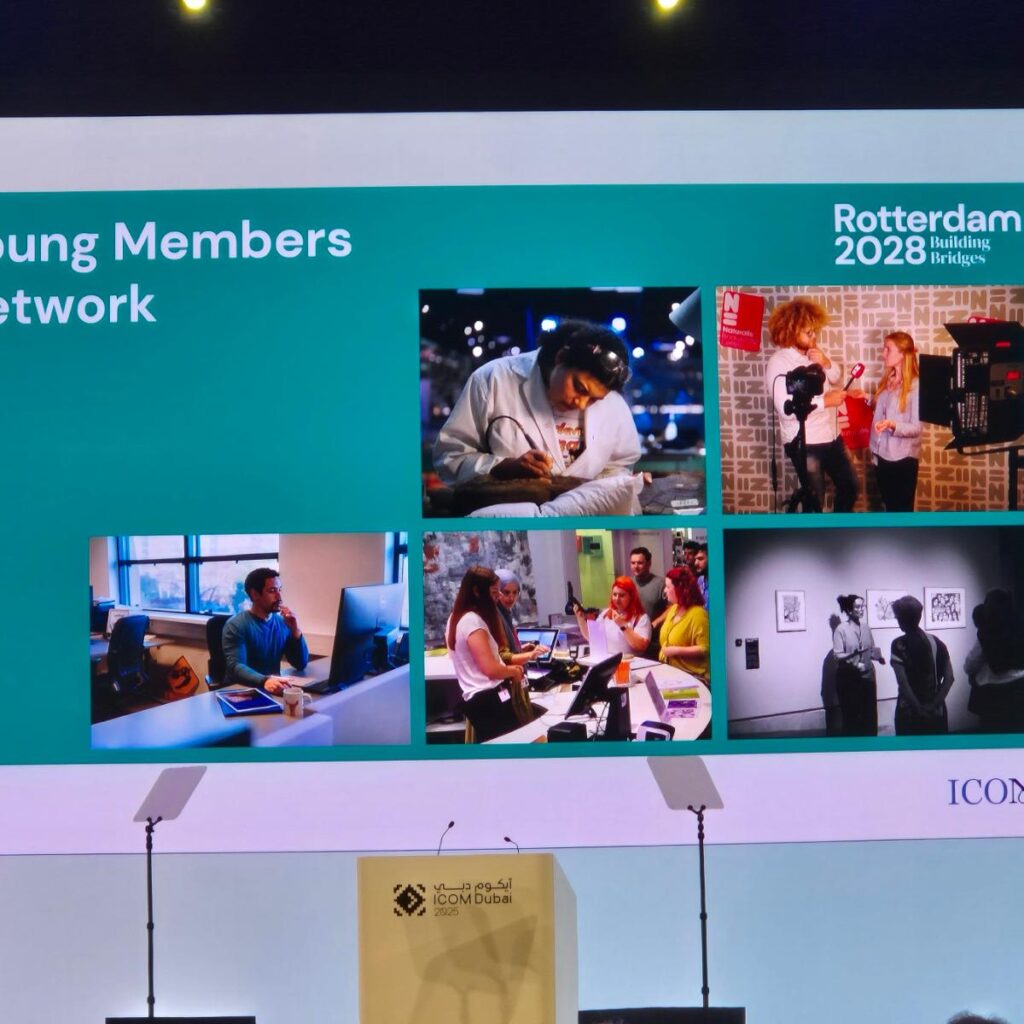
A presentation held as part of the “curated networking” sessions brought together representatives of cultural institutions from the United Arab Emirates—the Department of Antiquities and Museums (RAK), the Department of Tourism and Archaeology (UAQ), the Tourism & Antiquities Department (Fujairah), and the Department of Tourism Development (Ajman)—who drew attention to several key topics for the future of museums:
the central role of research as the foundation of any solid cultural policy,
the strength of younger generations, recognized as essential for shaping future leaders,
the importance of intangible cultural heritage, to be transmitted and enhanced alongside physical collections,
the need to move beyond the notion of museums as simple “guardians” of the past, recognizing them instead as living, engaged institutions that hold responsibility toward society.
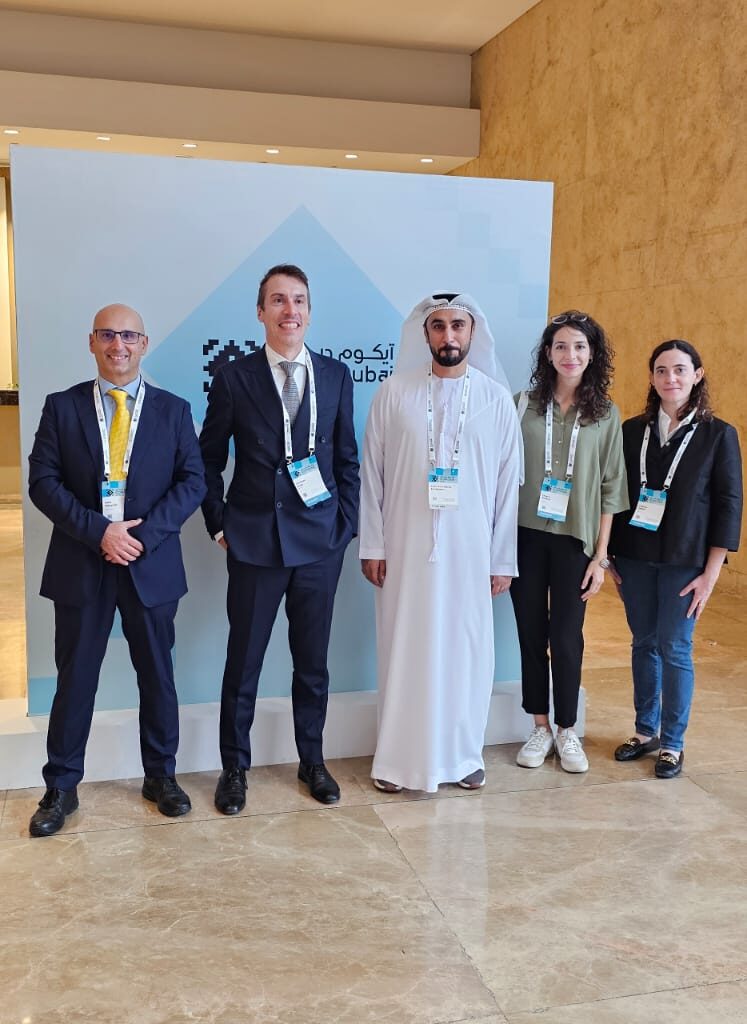
During the session “Defying Convention: Developing Museums Anew,” moderated by Peter Magee, Gayane Umerova, Mona Khazindar, Mulenga Kapwepwe, and Christian Greco, Director of the Museo Egizio, engaged in discussion.
The conversation addressed the role of museums, even asking whether a museum is a place of construction or destruction. The discussion led to the acknowledgment that both aspects are true. Museums are places where new narratives, meanings, and interpretative possibilities are created; yet at the same time, they are institutions that rely, at least in part, on the destruction of the original contexts from which objects are taken. This prompted reflection on the role of technology, community dialogue, international exchange, and mobility as fundamental elements in reconstructing meaning, redefining the relationship between museums and society, and generating new opportunities for interpreting heritage.
In his contribution, Christian Greco focused on the case of the Museo Egizio, reiterating the importance of research and technological innovation, supported by solid and ongoing training.
Such an approach is indispensable, especially for historical institutions like ours, founded two centuries ago—at a time when Italy did not yet exist—and housed in buildings originally created for entirely different purposes than museum display.
Greco drew particular attention to the topic of artificial intelligence applied to the humanities and, specifically, to archaeology. In this field, where materials are often fragmentary and information uneven, large-scale AI models for translation and cataloguing are not yet fully satisfactory.
This does not mean interrupting experimentation, but rather refining tools and developing methods that ensure reliable results. Museums must be extremely attentive to errors because they hold great responsibility for every line of text and every interpretation they present. All of this must occur without giving up what is irreplaceable: direct contact, by those in training, with original artifacts and ancient literature.
There was also discussion about how important it is for the business world to recognize the relevance of museums as places of experimentation—laboratories where the most innovative solutions can be tested and verified. Research on heritage has, in fact, a significant real-world impact on society.
Greco also recalled the historical roots of the museum as an institution: the first museum in history was born in Egypt, in Alexandria, under Ptolemy I, as a place founded on research, embodied by the library—a symbol of study and knowledge.
Finally, a concept already mentioned in other discussions throughout the conference was reiterated: radical listening—the need for museums to truly listen. Not to agree or disagree, but to build forms of meaning that are genuinely new.
Second day of the ICOM General Conference in Dubai – 13 November 2025
We are now on the second day of the ICOM General Conference in Dubai, and today the discussions delve even deeper into the themes that unite museums across the world. The conversations move from theory to practice, examining what museum institutions can concretely do to meet the needs and expectations of contemporary audiences.
The keyword of the day is “adapt”: the goal is to explore how museums respond to global changes on multiple levels—social and cultural needs as well as demographic transformations within communities.
2025 ICOM Conference, Dubai
Morning session
The morning was dedicated to several masterclasses and mentoring sessions.
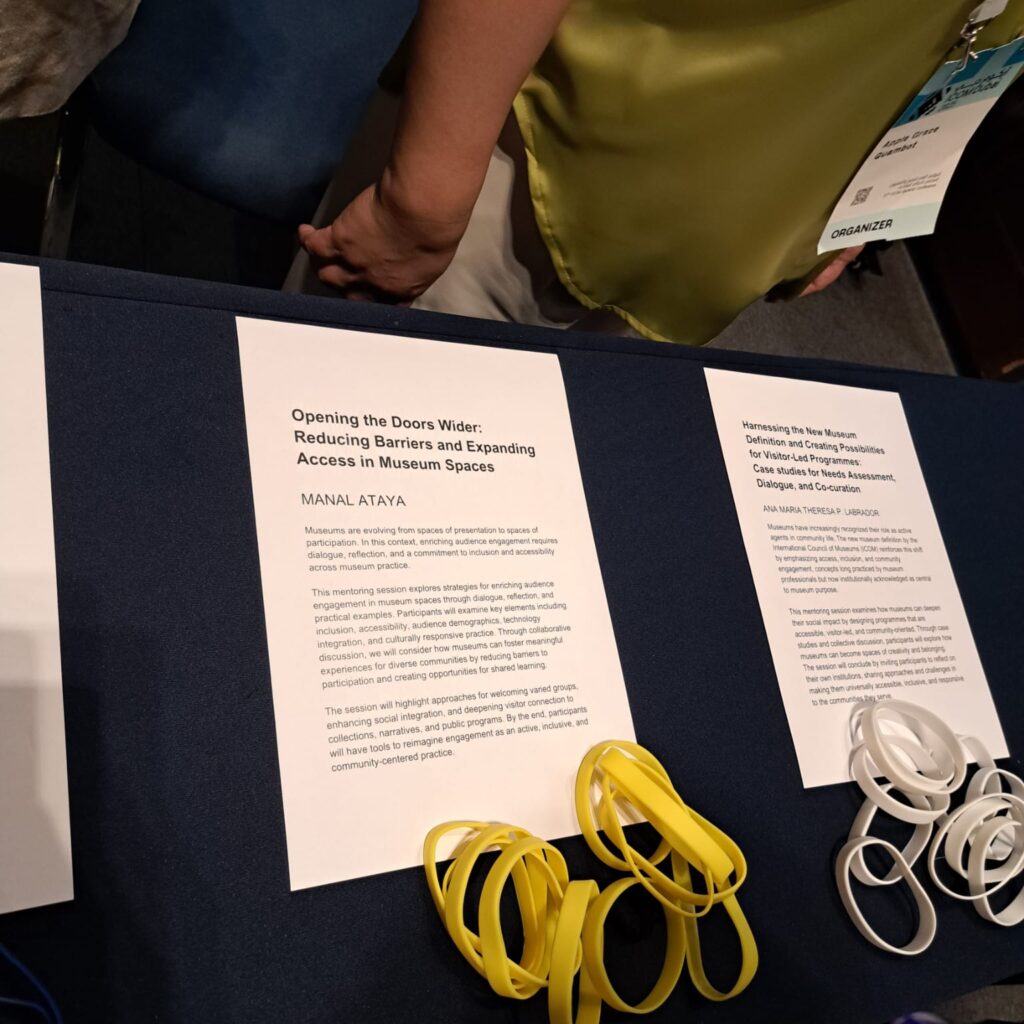
We began with the mentoring session titled “Visitor Experience: Technology, Accessibility, Communication.”
Visitor Experience: Technology, Accessibility, Communication mentoring session
One of the most engaging moments came from the division into working groups, which gave us the opportunity to connect directly with colleagues from all over the world (Sharjah, Pakistan, Somalia, the U.S., the U.K., France, etc.).
We joined the group focused on “Opening the Doors Wider: Reducing Barriers and Expanding Access in Museum Spaces.”
A particularly rich reflection emerged around the complexity of the concept of decolonizing the gaze, and how this approach does not always fully capture the nuances of the phenomenon.
We then took part in the masterclass “Reverse Mentoring: Empowering Youth for Museum & Heritage,” led by the young representatives of the National Heritage Board of Singapore.
The insights from this working group were equally stimulating, encouraging the engagement and autonomy of young people in order to foster their active participation and transform them into true custodians of heritage.
Activities included creating interactive heritage experiences inspired by pop culture—including video games—and developing integrated digital campaigns, with particular attention to post-visit engagement pathways.
Between the first and second masterclass, we listened to Kamini Sawhney, Founding Director of the Museum of Art & Photography in Bengaluru, with her talk “Whose Museum Is It Anyway?” One question struck us deeply: “If we accept that museums are considered more trustworthy than other institutions, what obligation does this place upon us—namely, to be conscious custodians of the culture of the communities?”
To close the first part of the day, we attended another masterclass: “Visitor Experience: A DIY Toolkit for Museum & Cultural Districts,” presented by David van der Leer, head of DVDL, an agency specializing in public experience strategies that transforms spaces and organizations through innovative combinations of programming, design, and cultural interventions.
His talk provided us with numerous data, tools, and models useful for improving audience engagement—insights we will certainly bring into our projects at the Museo Egizio.
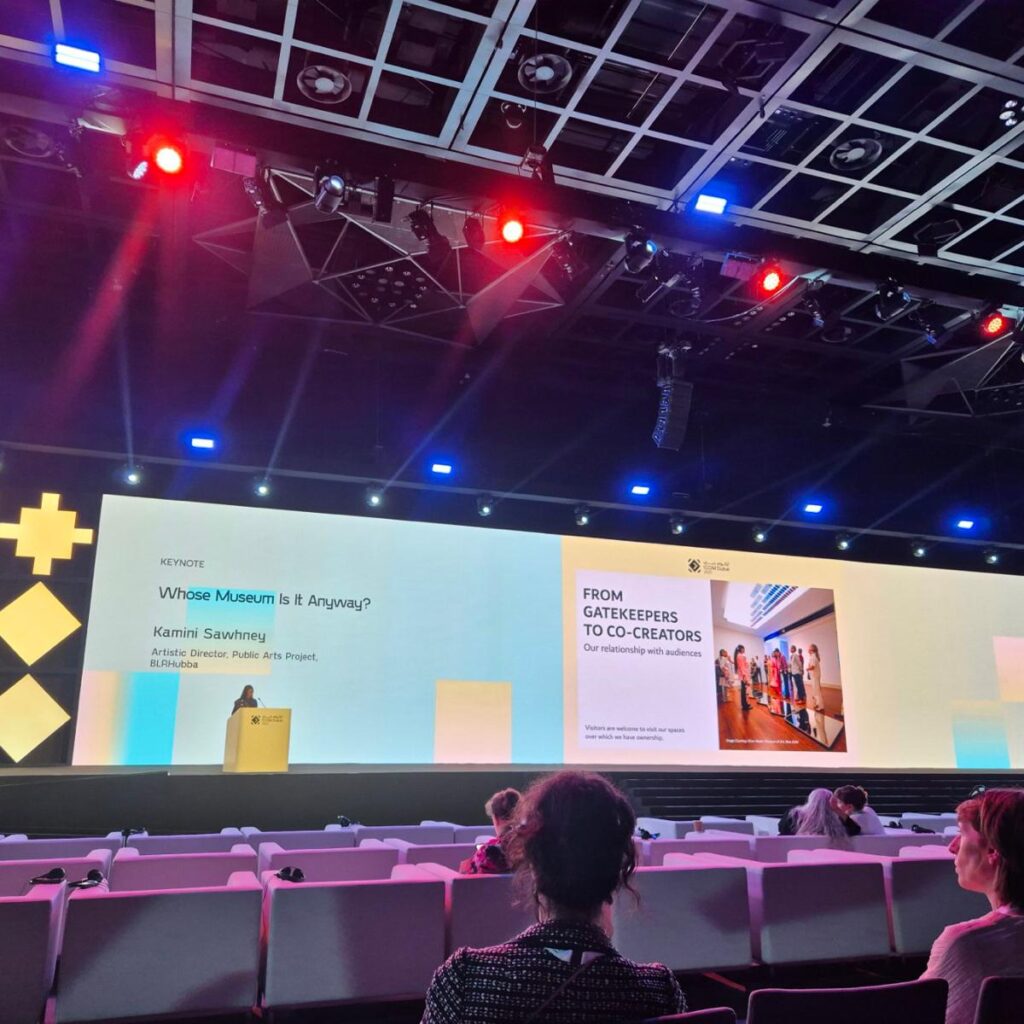
Kamini Sawhney, Founding Director of the Museum of Art & Photography in Bengaluru
Afternoon session
In the afternoon, just as yesterday, the discussion panels were led by the International Committees. We chose to follow the one organized by CIPEG, the International Committee for Egyptology.
The panel explored how new technologies are transforming the production and transmission of knowledge, and how a new wave of studies requires a strong framework grounded in contemporary issues and ethical considerations.
Ethical questions surrounding the study and display of human remains were at the heart of the discussion.
We are pleased to recall that this is a subject very close to the Museo Egizio, which has been engaged in thoughtful reflection on the topic since 2014 and, with the intention of placing it at the center of its activities, established its own Ethical Committee in 2023.
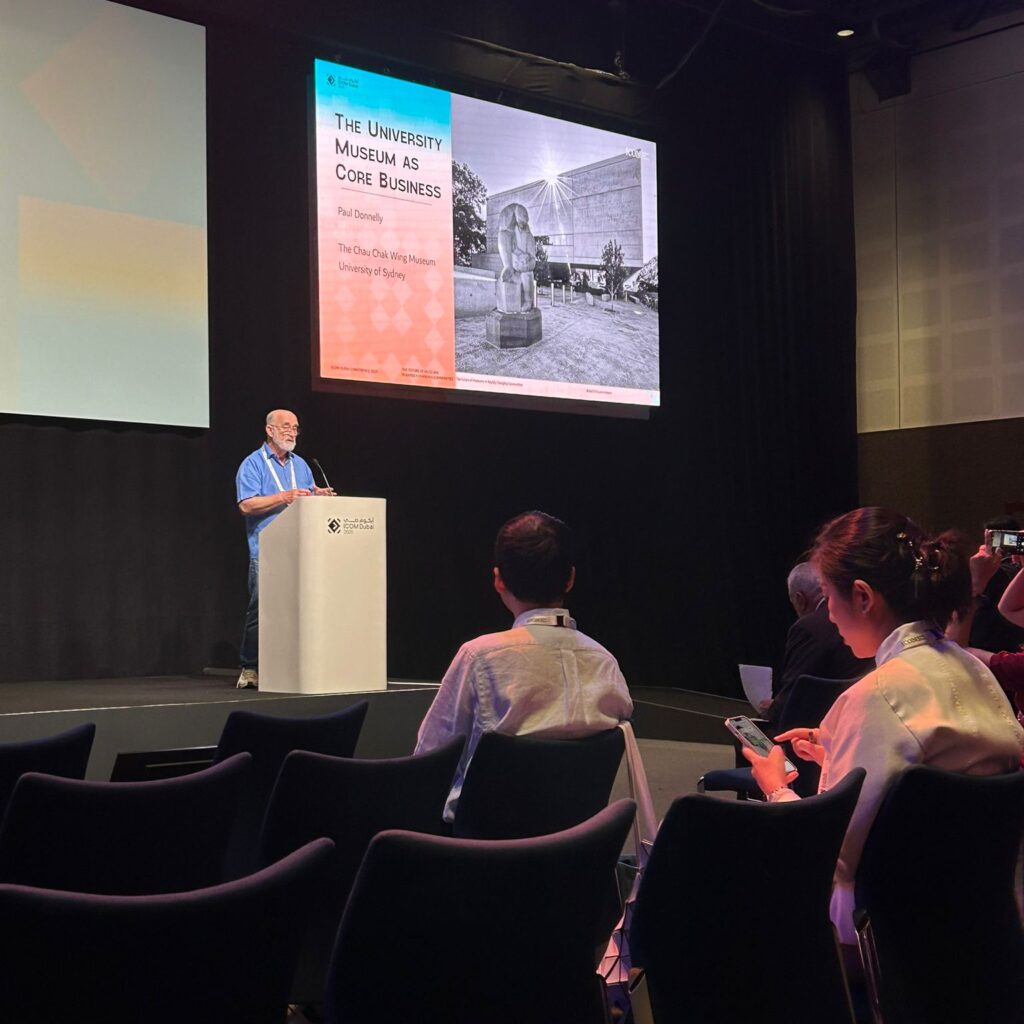
The welcome to the CIPEG Session
That’s all from Dubai for today. We will continue our report tomorrow with the third and final day of the conference, during which Director Christian Greco will be speaking in one of the main sessions.
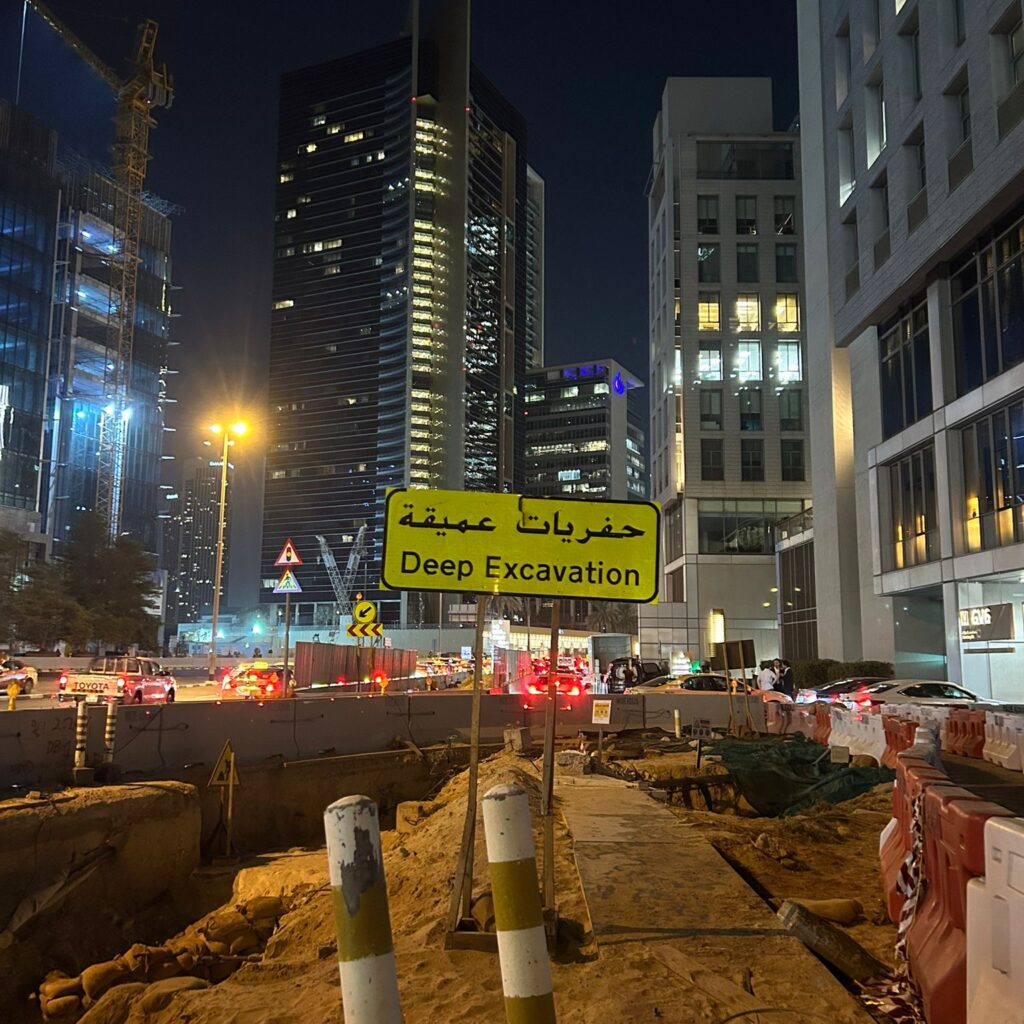
In Dubai, they dig deep… even in the world of museums!
ICOM General Conference 2025 – Day One, November 12th – The Museo Egizio is here!
From November 12th to 14th, 2025, a delegation from the Museo Egizio is in Dubai to take part in the 27th ICOM (International Council of Museums) General Conference. Held every three years, this edition is taking place for the first time in the MEASA region (Middle East, Africa, South Asia).
The conference brings together thousands of museum professionals from around the world to exchange ideas and reflect on some of the key issues shaping the museum landscape today. The event is hosted at the Dubai World Trade Center.
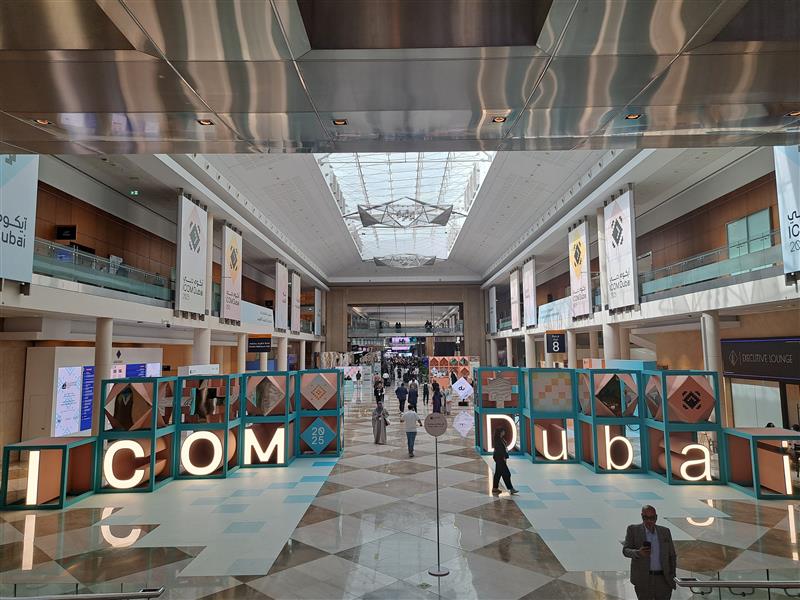
The Dubai World Trade Center, the venue of the conference
The theme of this year’s edition is “The Future of Museums in Rapidly Changing Communities”, developed across three main areas:
- Intangible Heritage – exploring how museums can safeguard, promote, and transmit intangible heritage in rapidly changing communities.
- Youth Power – examining the role of younger generations in shaping the governance, practices, and future of museums.
- New Technologies – addressing how emerging and digital technologies are transforming museum work, collection management, visitor experience, and accessibility.
The Museo Egizio delegation includes three departments: Interpretation, Accessibility, and Engagement, Production, and Safety and Environment. Over the coming days, we’ll share insights from each of them — starting today.
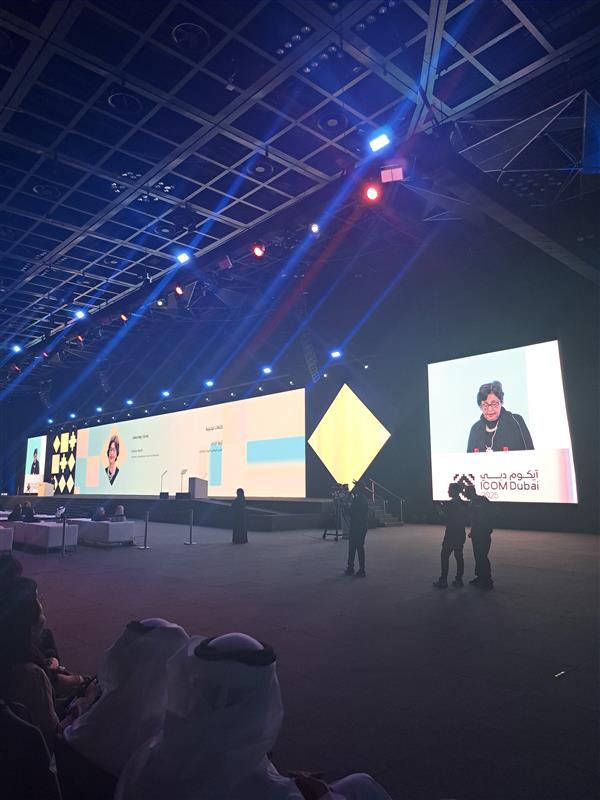
Welcome by Emma Nardi, ICOM President
After arriving full of enthusiasm — despite the time difference — we headed to the main hall at the Dubai World Trade Center for the official welcome by ICOM leadership and the opening ceremony.
Morning session
The first day focused on conservation, exploring the crucial decisions museums face: which stories, heritages, and cultural elements to prioritize while preserving their essential role as guardians of historical truth, authenticity, and accuracy.
The central question driving the debate was: In an era of technological change, misinformation, and climate challenges, how are conservation practices and narrative integrity being affected?
The morning opened with a focus on new technologies in museums, emphasizing responsible and conscious use — particularly of AI — and the opportunities these tools offer to enhance collections, improve accessibility, and redefine narratives.
As we listened to case studies and reflections from professionals around the world, we shared live updates on the Museo Egizio’s social channels so that our online community could follow the event “through the museum’s eyes.”
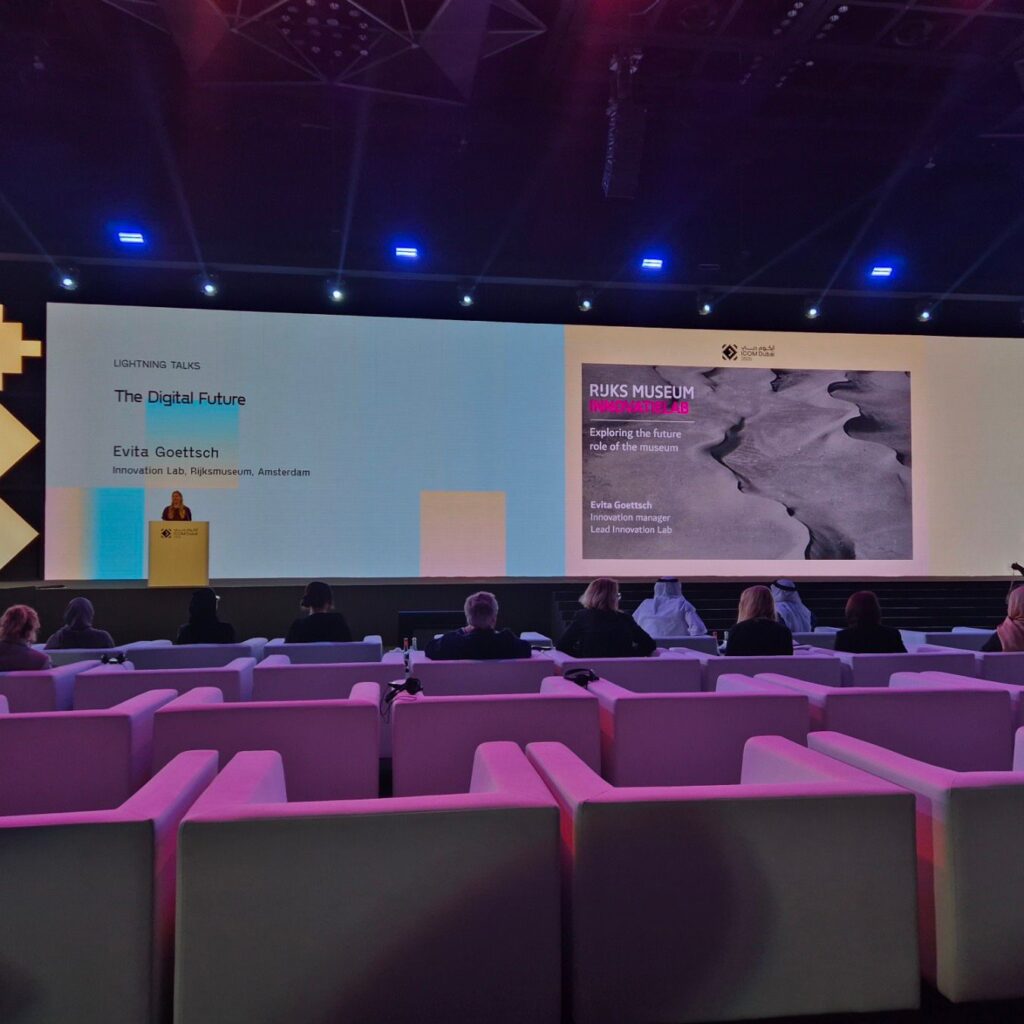
The talk by Evita Goettsch, Rijksmuseum
One of the highlights was the presentation by Evita Goettsch, Head of the Innovation Lab at the Rijksmuseum in Amsterdam. She showcased how technological innovation — including AI — can enrich the museum experience without compromising the institution’s historical and authentic character.
A particularly inspiring example was their recent project designed for people living with Parkinson’s disease. Through tablets or computers, users can access the museum remotely, exploring the galleries and clicking on artworks to learn more — just as if they were visiting in person.
The Rijksmuseum’s approach is a stimulating example of how museums can rethink their relationship with technology — embracing adaptability, self-reflection, and evolution.
Museum Fair
After a well-deserved lunch break, we visited the Museum Fair, discovering innovative products, services, projects, and cutting-edge technologies from all over the world. Everything was available for hands-on testing — and of course, we tried a few ourselves!
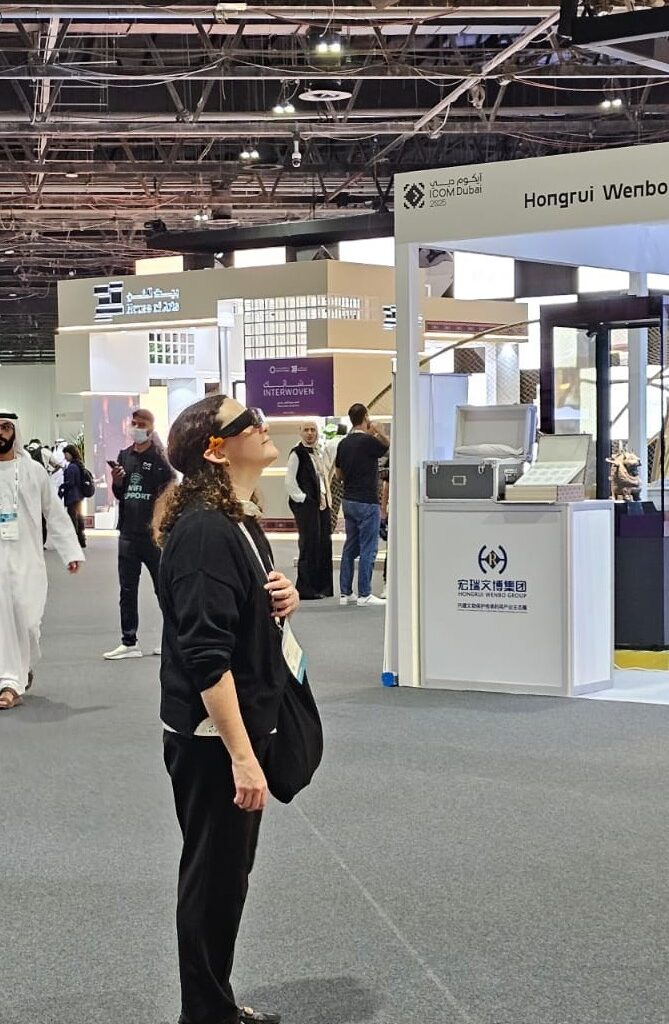
Our colleague Virginia Cimino experimented with a virtual reality headset at the Museum Fair.
Afternoon session
In the afternoon, ICOM’s International Committees organized thematic sessions to delve deeper into various topics and research areas. Each of us chose a panel related to our professional focus, from exhibitions and museum security to intergenerational dialogue.
The Interpretation, Accessibility, and Engagement department attended the session by ICME (International Committee for Museums and Collections of Ethnography). This session explored two key themes:
- Museum practice in the age of artificial intelligence, with a focus on the perspective of professionals working in and with Indigenous and community institutions, addressing technological and ethical implications.
- Intergenerational change and how it shapes museum action.
Hearing experiences from around the world offered us valuable insights to bring back home — helping us reflect on our own work and identify areas for growth.
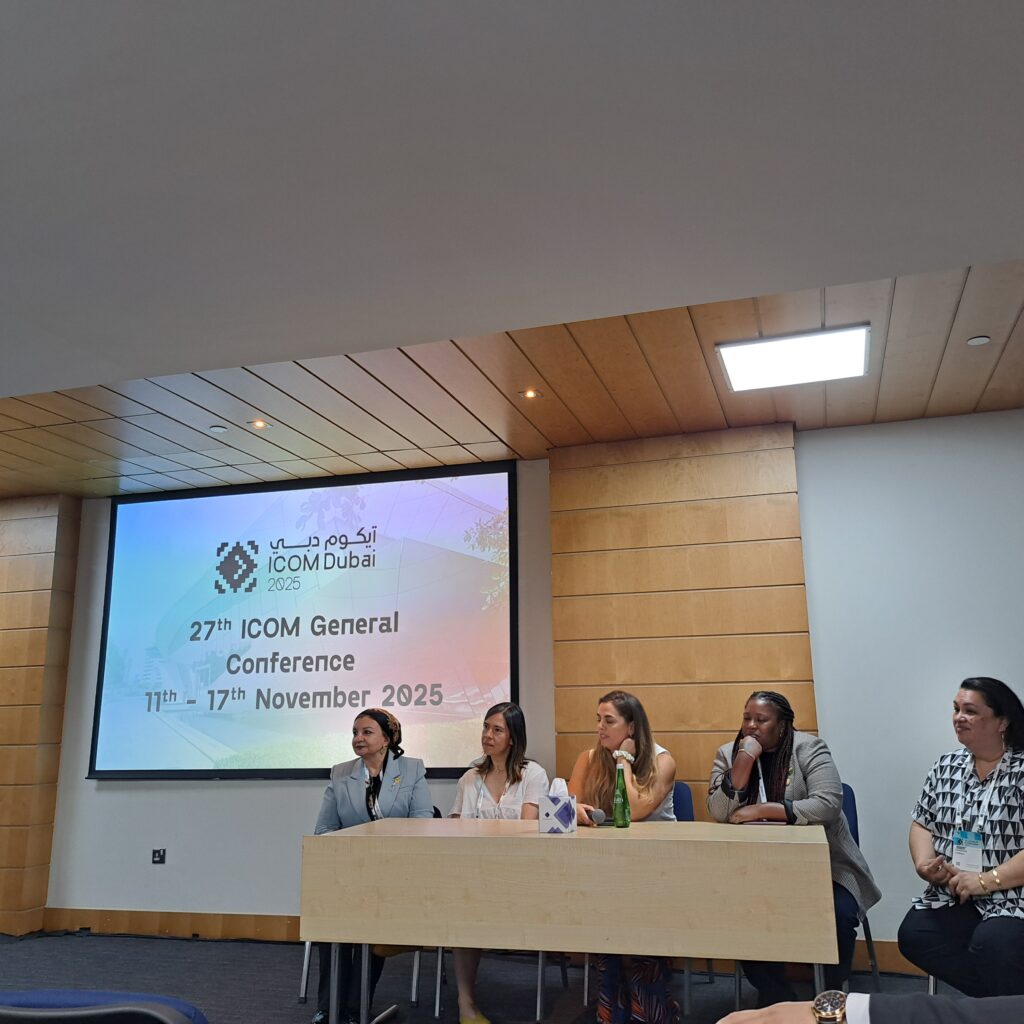
The ICME session showcased a variety of community-centered approaches, highlighting how dialogue and inclusivity can drive institutional transformation.
A full day of encounters, discoveries, and reflections that reminded us just how essential international dialogue is for the growth and vitality of museums. We keep learning, exchanging ideas, and innovating — even thousands of kilometers away from Turin.
See you tomorrow for the story of Day Two!
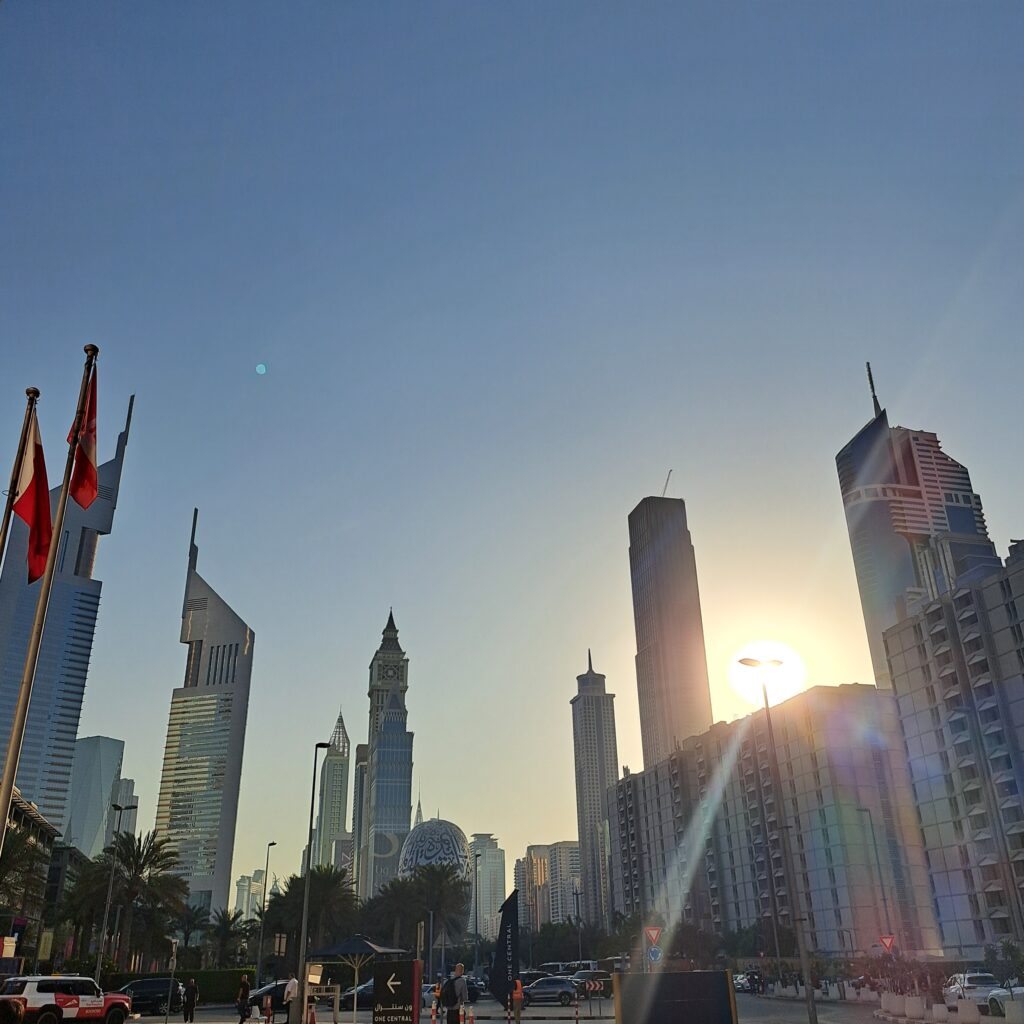
View of the city just outside the Dubai World Trade Center
